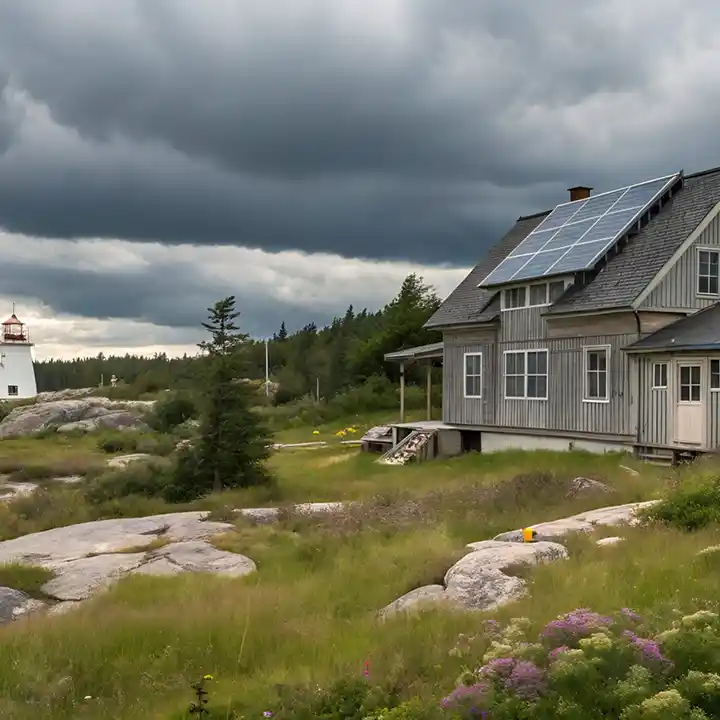
Just a few short years ago, installing a standard array of solar panels on your roof was the ultimate milestone in home energy efficiency. If the sun was shining, you were saving money. It was simple, effective, and for a long time, it was enough.
But in 2026, the energy landscape in Ireland has shifted dramatically. Between extreme weather patterns, the introduction of dynamic smart tariffs, and the national grid groaning under the unprecedented demand of data centres, simply generating power during the day is no longer the complete solution.
Today, solar and battery storage are no longer viewed as separate upgrades. They are a single, cohesive system. Here is why pairing your solar panels with a smart home battery has transitioned from a high-tech luxury to an absolute necessity.
The True Cost of "Use It or Lose It"
Without a battery, a standard solar PV system operates on a “use it or lose it” basis. If your panels are generating 4kW of power at 1:00 PM on a Tuesday, but nobody is home to use the washing machine or run the heat pump, that excess energy is sent straight back to the grid.
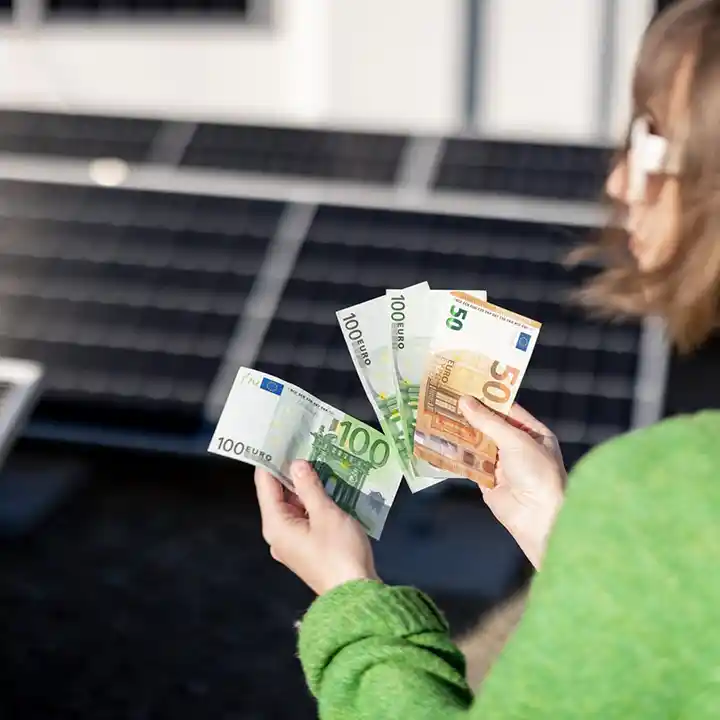
While you do get paid for this via the Clean Export Guarantee, the rate you receive is always lower than the premium rate you pay your supplier when you buy electricity back from them at 7:00 PM to cook dinner. A solar battery 2026 setup fixes this imbalance permanently. It acts as an energy sponge, capturing all your daytime surplus so you can power your home through the expensive evening peak entirely for free.
Shielding Your Home from Grid Outages
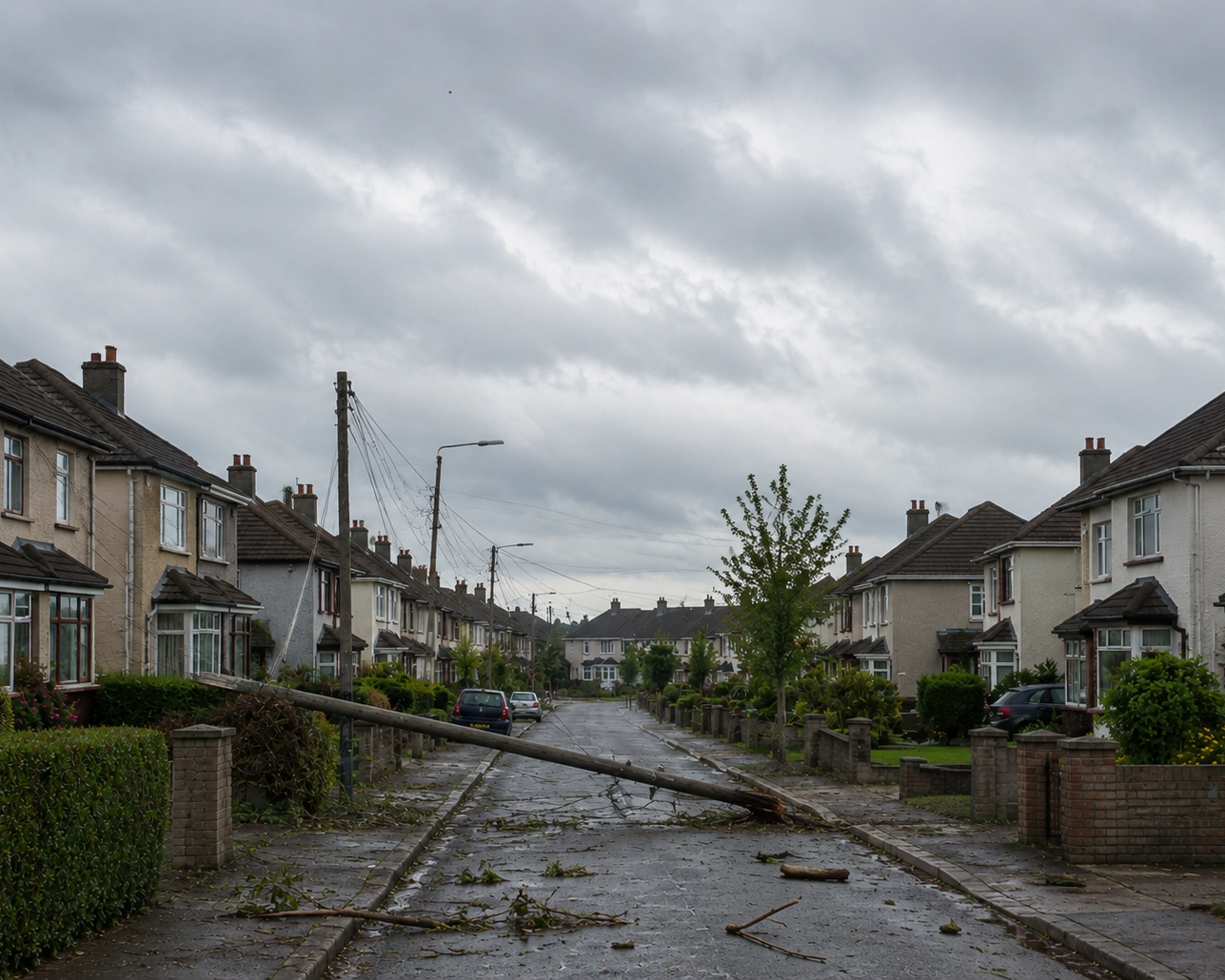
In 2026, EirGrid “Amber Alerts” and grid strain are regular features of the Irish news cycle. The demand for electricity is testing the limits of our national infrastructure, and rural areas are increasingly vulnerable to weather-related grid outages during fierce winter storms.
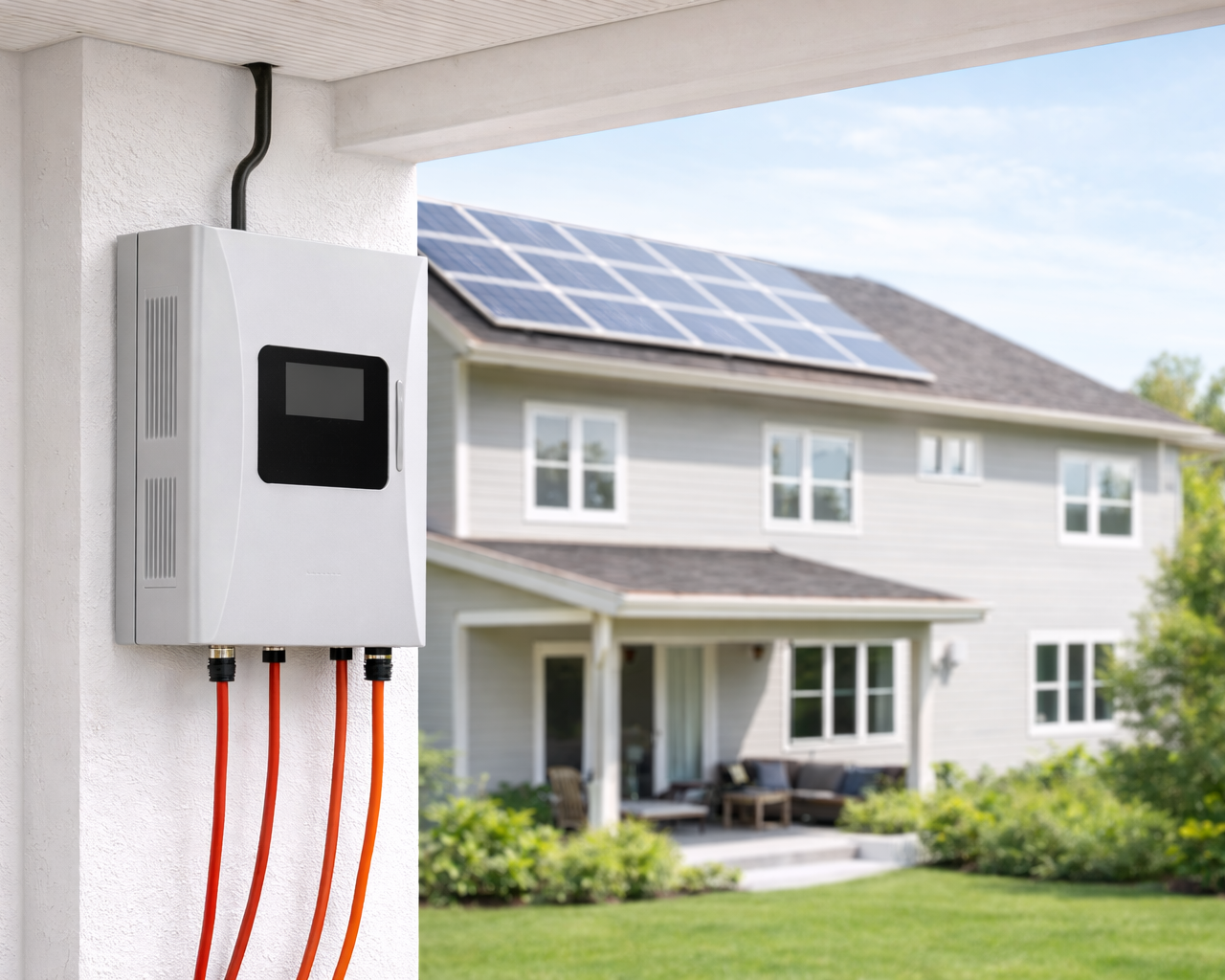
When you install a battery system equipped with EPS (Emergency Power Supply), you are buying ultimate peace of mind. In the event of a blackout, your system automatically islands itself from the national grid. Your battery instantly kicks in to provide seamless backup power, keeping your lights on, your fridge running, and your broadband connected while the rest of the street goes dark. This level of home energy resilience is becoming a massive priority for Irish homeowners who refuse to be left vulnerable to grid failures.
Gaming the 2026 Smart Tariffs
This year, the rollout of dynamic, time-of-use smart tariffs has completely changed the financial math of home energy. Energy suppliers are now penalizing homeowners who use electricity during peak evening hours while offering incredibly cheap (or even free) electricity in the dead of night.
A smart battery allows you to aggressively “game” these tariffs. During the short, dark days of winter when solar generation is lower, you can program your smart inverter to charge your battery from the grid at 3:00 AM when electricity costs just a few cents. You then discharge that stored, ultra-cheap power to run your home during the expensive 5:00 PM to 7:00 PM peak.

The Bottom Line
Standalone solar panels are a great start, but they leave you exposed to nighttime price hikes and grid instability. By integrating a smart battery, you take total control of when and how you use your power, guaranteeing maximum savings and uninterrupted security.
Ready to future-proof your home with the ultimate solar and battery storage system? Contact NuSolas today. Our expert team based in the Mid-West will design a resilient, high-performance system tailored specifically to your family’s needs.
Interested? Talk to us today
Frequently asked questions